

Global and Luxembourgish News: 23rd June- 06th July 2026
Weeks 26-27:
Global markets entered July with investors balancing easing supply-chain stress against persistent inflation and policy uncertainty. The New York Fed’s supply-chain index showed pressure cooling in June, suggesting some relief for goods inflation after Middle East-related disruption, while the ECB warned that the inflation shock was not fully over as core prices, gas costs and climate-related food risks remained concerns. Gold’s pullback from a two-week high reflected the same policy tension, with a stronger dollar and rate expectations limiting demand for the non-yielding metal. In Luxembourg, CSSF data showed fund assets rising strongly in May, supported by market gains and positive net investment, underlining the continued importance of the country’s asset-management industry. At the same time, the end of the MiCA transition period marked a significant regulatory shift for crypto providers and consumers, reinforcing the EU’s move toward tighter oversight of digital-asset services. Together, these stories point to a market environment where disinflation is possible but not assured, liquidity remains selective, and regulation continues to reshape financial activity.
Luxembourgish News
Luxembourg Investment Fund Assets Continue to Grow

Picture: Stock Library
The CSSF reported that Luxembourg's undertakings for collective investment recorded net assets of more than €6.6 trillion at the end of May, representing a solid monthly increase. Positive market performance and continued investor inflows contributed to the growth of the country's investment fund industry. The figures underline Luxembourg's position as one of the world's leading cross-border fund centres. Strong asset growth supports the financial sector, which remains a key pillar of the Luxembourg economy. Future developments will largely depend on global market performance, investor confidence and monetary policy.
Fun fact:
Undertakings for collective investment pool investor money into regulated funds, making them central to Luxembourg’s financial centre.
Source: CSSF
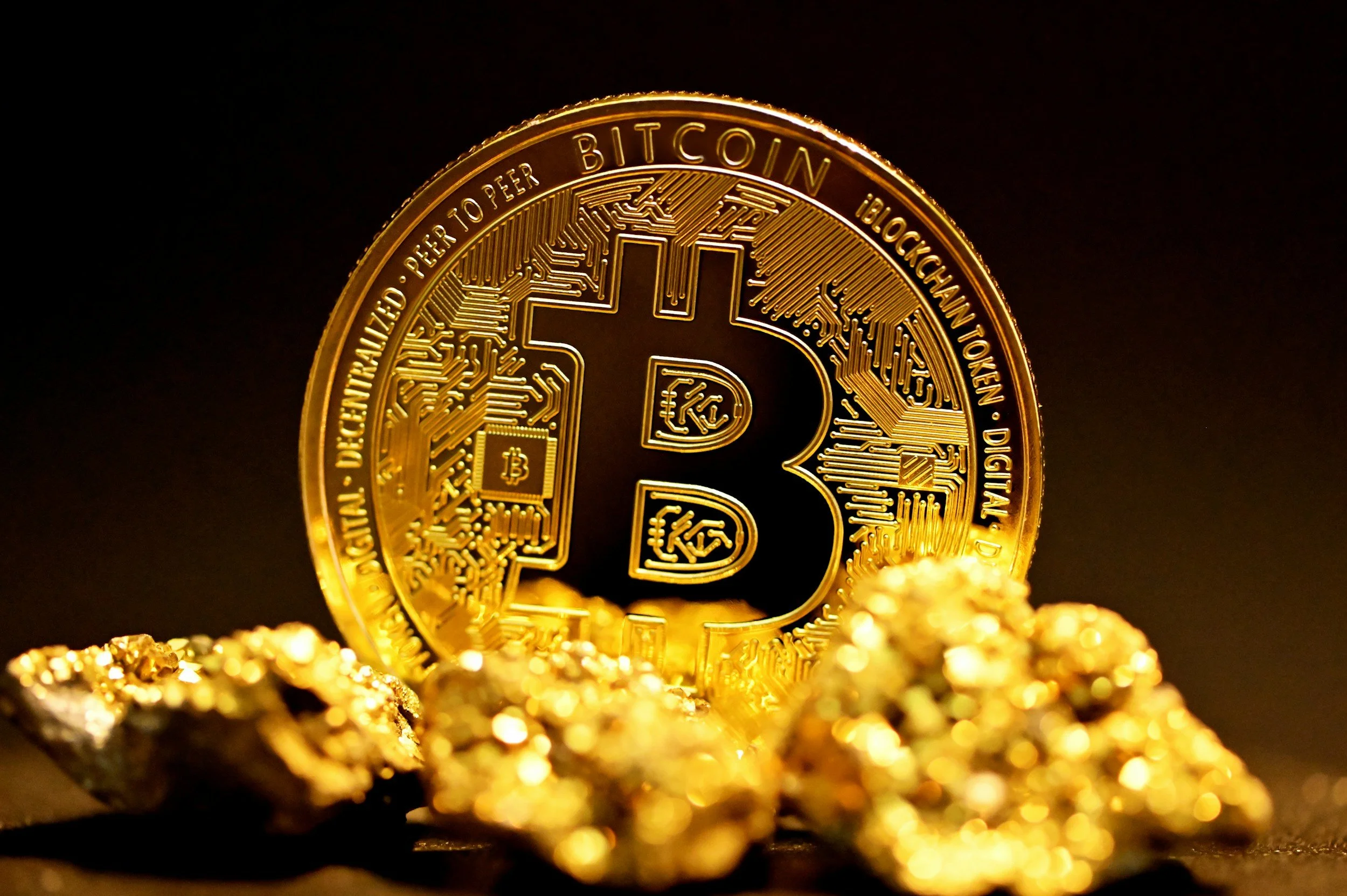
MiCA Transition Period Ends for Crypto Service Providers
Picture: Stock Library
The CSSF announced that the transition period under the European Union's Markets in Crypto-Assets (MiCA) Regulation ended on 1 July 2026. Crypto-asset service providers operating in Luxembourg must now comply fully with the new European regulatory framework and obtain the required authorisations. The new rules are designed to strengthen investor protection, improve transparency and establish consistent standards across EU member states. For businesses, compliance requirements may increase operational costs, but they also provide greater legal certainty and market credibility. The implementation of MiCA represents an important milestone in the regulation of Europe's digital asset industry.
Definition:
MiCA is the EU’s Markets in Crypto-Assets Regulation, designed to create common rules for crypto service providers across the bloc.
Source: CSSF
Global News
Global Supply Chain Pressures Ease as Logistics Improve

Picture: Stock Library
Global supply-chain pressures eased in June, according to the New York Fed’s Global Supply Chain Pressure Index, indicating that disruptions linked to recent geopolitical tensions have started to moderate. Improved shipping conditions and shorter supplier delivery times helped reduce bottlenecks across international trade routes. This development is significant because supply-chain disruptions often contribute to higher production costs and inflation, affecting both businesses and consumers. Lower logistics costs can gradually reduce price pressures and support global economic growth if the trend continues. However, policymakers remain cautious, as renewed geopolitical tensions or unexpected trade disruptions could quickly reverse these improvements.
Fun Fact:
The Global Supply Chain Pressure Index measures disruptions in transport costs, delivery times and manufacturing backlogs that can feed into inflation.
Source: Reuters
ECB Warns Inflation Risks Have Not Fully Disappeared

Picture: Stock Library
European Central Bank Executive Board member Isabel Schnabel cautioned that the eurozone has not completely overcome the inflation shock despite recent improvements in energy markets. Although falling oil prices have eased some pressure, core inflation and broader structural risks remain elevated. The ECB continues to monitor factors such as wage growth, supply chains and energy markets before making further monetary policy decisions. Investors are paying close attention because prolonged inflation could delay additional interest-rate cuts. The comments reinforce the ECB's commitment to ensuring inflation returns sustainably to its 2% target before easing policy further.
Fun Fact:
Core inflation excludes volatile food and energy prices and is closely watched by central banks because it reflects underlying price pressures.
Source:Reuters
Gold Retreats as Dollar Strength Weighs on Prices

Picture: Stock Library
Gold prices slipped after reaching a two-week high as the US dollar strengthened and investors reassessed expectations for future interest-rate cuts. A stronger dollar makes gold more expensive for holders of other currencies, reducing international demand for the precious metal. Markets continue to balance safe-haven demand against expectations for monetary policy in the United States. Investors are also watching upcoming economic data that could influence Federal Reserve decisions. Gold remains an important hedge against uncertainty, but its short-term performance continues to depend heavily on interest-rate expectations.
Fun fact:
Gold is a non-yielding asset, so higher interest rates can make it less attractive compared with bonds or cash.
Source: Reuters
