

Global and Luxembourgish News: 8th December- 21st December 2025
Weeks 50-51 : Global markets ended the year cautiously as the U.S. Federal Reserve signalled a prolonged pause in rate moves and Wall Street pulled back amid weaker tech performance. Shifts in global funding patterns gained attention as yuan-denominated lending surged, hinting at gradual diversification away from the U.S. dollar. In Europe, mixed signals emerged as services activity remained resilient while broader market volatility persisted. In Luxembourg, economic resilience stood out with continued GDP growth and stable consumer sentiment, despite lingering inflation and housing concerns. Overall, the period reflected a transition phase as markets and policymakers looked ahead to 2026.
Luxembourgish News
Luxembourg Inflation and Consumer Confidence Data Highlight Economic Trends

Picture: Stock Library
Recent data shows that inflation in Luxembourg remained elevated through late 2025, with headline CPI near 2.7 % in October before slight fluctuations later in the year. STATEC forecasts suggest inflation may ease in 2026 as energy prices stabilise and monetary conditions adapt. Meanwhile, the Eurobarometer survey indicates that Luxembourg residents remain relatively satisfied with the overall economic situation, though housing issues are top-of-mind. This combination (persistent inflation alongside strong consumer satisfaction) reflects the complexity of domestic demand dynamics as the economy transitions toward more balanced growth. Policymakers may focus on housing affordability and inflation expectations to ensure stability in the coming period.
Definition:
Headline inflation measures the total change in consumer prices, including volatile items like energy and food, which strongly influence household sentiment.
Source: Statistiques.Public
Luxembourg’s GDP Growth and Outlook Reflect Resilience into Year-End

Picture: Stock Library
Luxembourg’s GDP expanded by 1.1 % quarter-on-quarter in Q3 2025 — equivalent to about +2.7 % on an annual basis — marking four consecutive quarters of growth, a trend not seen since 2019. Financial and insurance activities provided the largest contribution, supported by strong market activity and investment flows. Services sectors such as trade, transport and hospitality also contributed, while banks saw slight contractions. These figures underscore the diversified strength of Luxembourg’s economy even amid external headwinds. Forecasts from the EU and other institutions project that growth may remain modest in 2025 before accelerating in 2026 with supportive financing conditions and private demand.
Statistic:
Four consecutive quarters of GDP growth had not been recorded in Luxembourg since before 2019, underlining the economy’s post-crisis recovery and resilience.
Source: FocusEconomics
Global News
Federal Reserve Signals Rates Will Stay Steady

Picture: Stock Library
Federal Reserve officials, including Cleveland Fed President Beth Hammack, indicated that U.S. interest rates are likely to remain unchanged for several months after recent cuts totalling 75 basis points. Hammack highlighted persistent inflation pressures and uncertainty about the full economic impact of tariffs as reasons to pause further easing until spring 2026. The current policy rate range stands at 3.5 %–3.75 %, with policymakers emphasising the need for clearer data on inflation and employment before acting again. Markets have responded cautiously, with some investors pricing in longer policy stability. The cautious stance reflects balancing between growth support and inflation containment as monetary conditions evolve into year-end.
Definition:
Policy rate pause
A policy pause occurs when a central bank holds interest rates steady to assess how past decisions affect inflation and growth. It often signals uncertainty rather than confidence.
A rise to 52.8 signals strong momentum in services.
Source: Reuters
Wall Street Slides on Tech, Santa Rally Hopes Fade

Picture: Stock Library
Wall Street’s major indexes slipped in mid-December as tech stocks weakened and investors eyed a jam-packed economic data calendar before year-end. The S&P 500 and Nasdaq both saw pressure as AI-linked stocks cooled after recent gains. Market participants also weighed recent inflation data and central-bank signals on policy stability, damping hopes for the traditional year-end “Santa rally.” Despite strong year-to-date performance, seasonal optimism has been tested by volatility in key sectors and mixed earnings signals. Traders now focus on upcoming jobs, inflation and consumer spending releases to shape expectations for 2026.
Statistic:
Technology stocks now account for over 30 % of the S&P 500’s total market value, meaning even small tech sell-offs can heavily influence the broader market.
Source: Reuters
Yuan Credit Boom Signals Shift in Global Funding Patterns
Picture: Stock Library
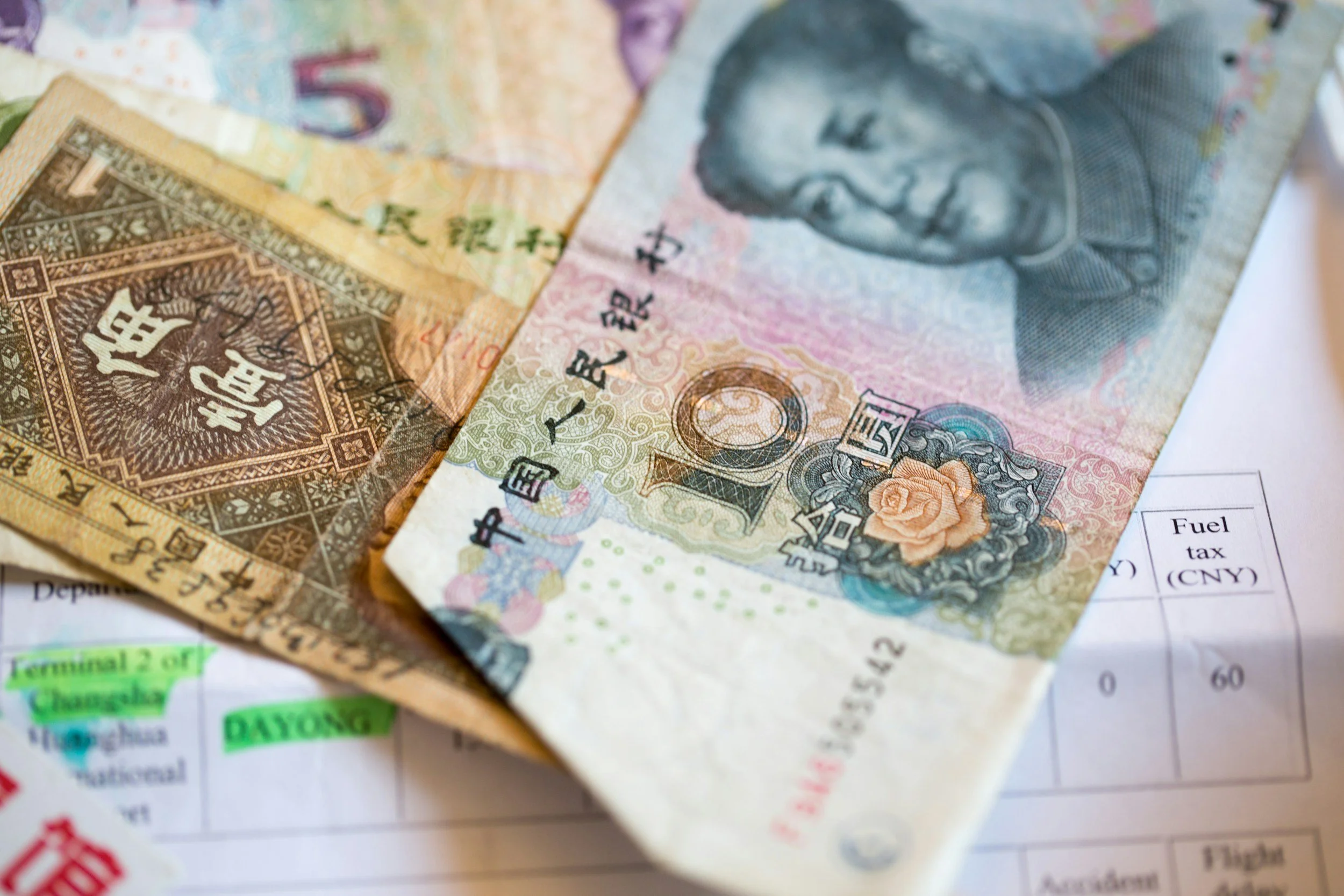
Investors are increasingly tapping yuan-denominated credit and bond markets, pushing demand for offshore yuan lending to record levels and suggesting the Chinese currency may be emerging as a broader funding alternative to the U.S. dollar. Record “Dim Sum” bond sales and expanded overseas yuan loans reflect both issuers and investors attracted by competitive pricing and diversification opportunities. Some analysts argue this trend could signal a structural shift in global funding and boost China’s financial influence on international capital flows. The development comes amid ongoing efforts by Beijing to internationalise the yuan and deepen its capital markets. While dollar dominance remains entrenched, surging yuan activity highlights evolving dynamics in cross-border lending and currency use.
Fun Fact:
The Chinese yuan represents less than 4 % of global payment transactions, but its share has more than doubled in the past five years, reflecting gradual internationalisation.
Source: Reuters
