

Global and Luxembourgish News: 13th April- 04th May 2026
Weeks 16-19:
Global markets between 13 April and 4 May reflected a more diversified economic picture, with stronger Chinese manufacturing, renewed investor interest in mining and softer-than-expected US growth shaping sentiment. China’s PMI improvement pointed to resilience in global supply chains, while the rotation into mining suggested investors were positioning for long-term commodity demand. In the US, GDP growth remained positive but below expectations, keeping attention on the strength of the expansion. In Luxembourg, weaker consumer confidence showed that households are becoming more cautious as inflation expectations rise. At the same time, the cross-border unemployment reform highlighted a structural fiscal risk linked to Luxembourg’s labour-market model. Overall, the period showed resilience in some areas but growing pressure from costs, confidence and policy change.
Luxembourgish News
Luxembourg consumer confidence falls to one-year low

Picture: Stock Library
Consumer confidence in Luxembourg dropped sharply in March, reaching its lowest level in a year, according to data from STATEC reported by RTL Today. Households expressed increasing concern about both the economic outlook and their personal financial situation, as inflation expectations surged. The report highlights that energy prices and broader eurozone inflation are key drivers behind the deteriorating sentiment. This decline is already reflected in behaviour, with weaker car registrations and postponed consumption decisions. At the same time, the labour market remains relatively strong, particularly due to cross-border employment growth. The divergence between cautious households and resilient employment illustrates growing uncertainty in the domestic economy.
Definition:
Consumer confidence measures how optimistic households are about the economy and their financial situation, and is a key indicator of future spending.
Source: RTL Today
Luxembourg faces €200m cost from cross-border unemployment reform

Picture: Stock Library
Luxembourg is preparing for new EU rules that would make the country responsible for unemployment benefits for many cross-border workers who last worked in Luxembourg. RTL Today reported on 29 April 2026 that the reform could cost around €200 million annually, according to Labour Minister Marc Spautz. The issue is economically important because cross-border commuters represent a major share of Luxembourg’s workforce. The country has secured a seven-year transition period before the rules fully apply, giving institutions time to adapt. The reform could increase pressure on public finances and the National Employment Agency. For Luxembourg, it highlights how deeply labour-market policy is linked to the Greater Region economy
Statistic:
Cross-border commuters represent around 47% of Luxembourg’s workforce, making labour-market reforms especially significant for public finances.
Source: RTL Today
Global News
China factory activity accelerates
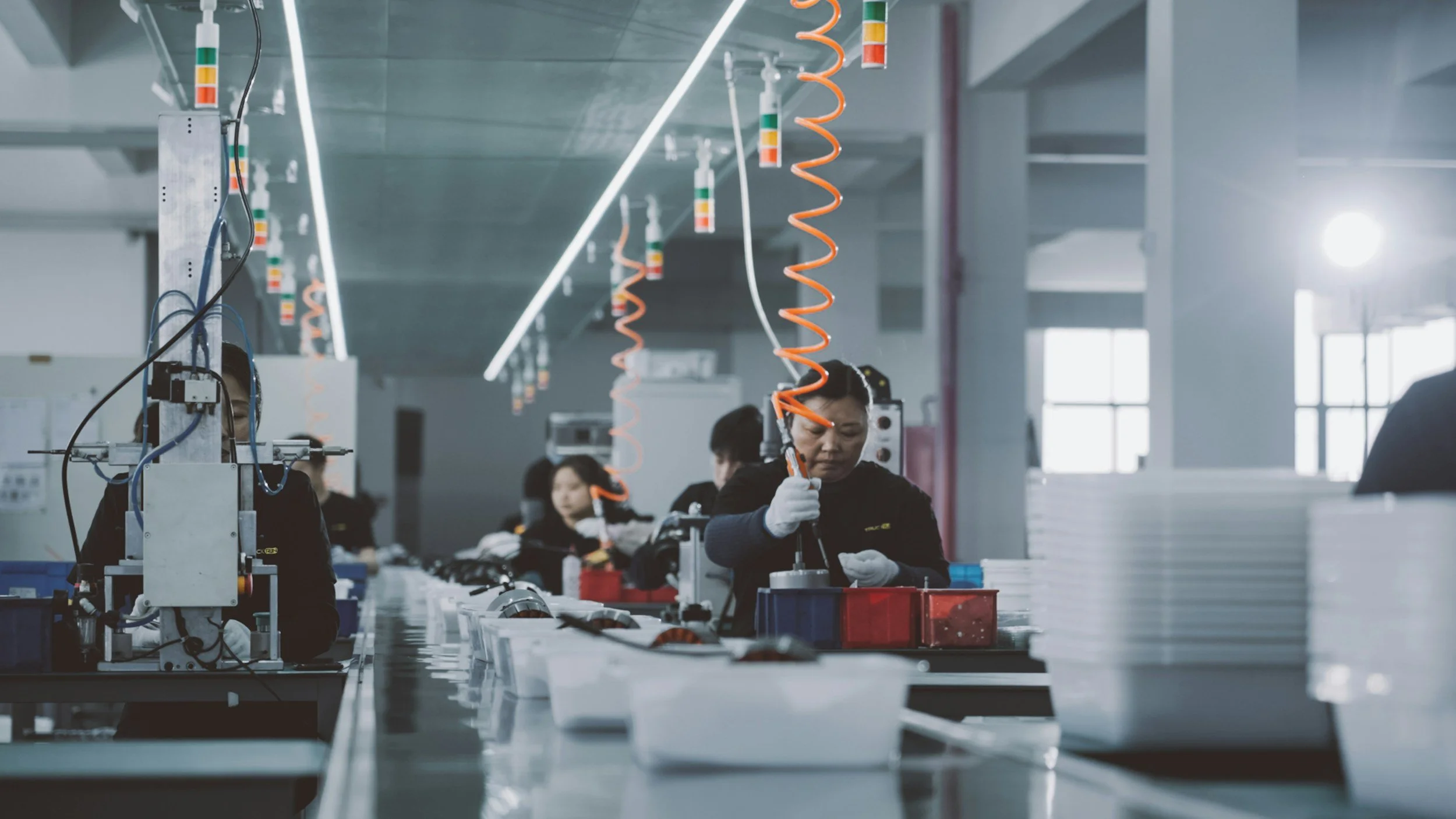
Picture: Stock Library
China’s factory activity expanded at its fastest pace since late 2020, with the private manufacturing PMI rising to 52.2 in April. The improvement was driven by stronger domestic and export orders, suggesting resilience in the world’s second-largest economy. However, firms still faced higher input costs, especially from energy and raw materials. The data matters globally because Chinese manufacturing affects trade, commodities and supply chains.
Fun Fact:
A PMI above 50 signals expansion in manufacturing activity.
Source: Reuters
Investors rotate into mining

Picture: Stock Library
Large funds are increasing exposure to mining, with Reuters reporting $8.24 billion invested in the sector during Q1. The shift reflects growing interest in hard assets and commodities as investors look beyond high-valuation technology stocks. This suggests markets are positioning for a possible commodity supercycle.
Fun Fact:
A commodity supercycle is a long period of rising commodity prices driven by structural demand.
Source:Reuters
US growth slows versus expectations

Picture: Stock Library
US GDP grew at a 2.0% annualized rate in Q1, below the 2.3% expected by economists. The data showed continued growth, but also highlighted that momentum may be softer than markets hoped. This matters for investors because weaker growth can influence interest-rate expectations and equity valuations.
Definition:
GDP measures the total value of goods and services produced in an economy.
Source:Reuters
